Health
The Brian Flores Defense May Have Lost 1 Starter for MNF
By Marcus Chen
Advertisement · Why this ad?
Marcus manages the day-to-day editorial workflow across all brands, coordinating coverage assignments and ensuring editorial standards are met. He previously served as city editor at the Pioneer Press and holds a degree in Political Science from Carleton College.
More from Marcus →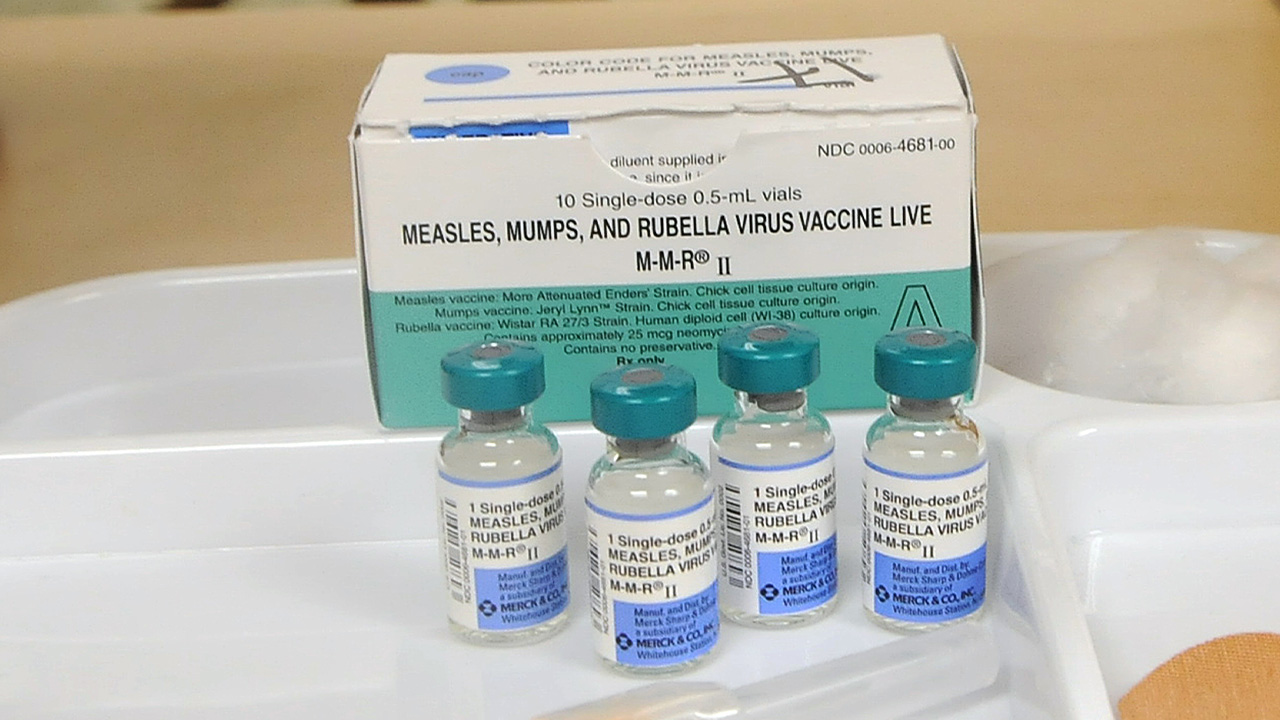
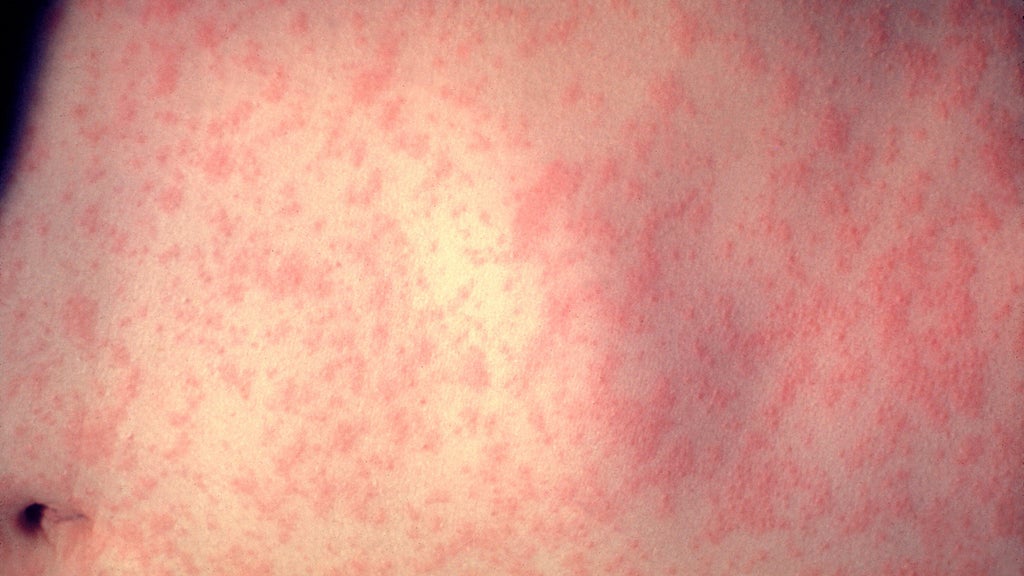
In a quiet Minnesota town, a mother watches anxiously as her 9-year-old daughter, Emma, plays outside. Emma, unvaccinated due to her parents' concerns, was recently diagnosed with measles—an illness once considered eradicated in the U.S. The scene underscores a troubling trend: Minnesota’s vaccination rates are slipping, and measles cases are climbing among unvaccinated children, threatening the health of the community.
The Minnesota Department of Health (MDH) reported 59 new confirmed measles cases this week, all among unvaccinated individuals. Since mid-September, the state has seen 139 cases, mainly linked to Todd County, with one case in Scott County tied to international travel. The median age of those infected is just 9.5 years old, highlighting how children are most vulnerable to this resurgence.
The recent spike is part of a nationwide increase in measles, which has officials alarmed. The disease, once nearly wiped out thanks to widespread vaccination, is making a disturbing comeback. The MDH urges Minnesotans to get vaccinated, emphasizing that two doses of the MMR vaccine are about 97% effective at preventing measles.
Many families in Minnesota are feeling the impact firsthand. Local health clinics report an increase in parents seeking vaccines after seeing the rising cases. Yet, hesitancy persists, driven by misinformation and a lack of trust in vaccines. For families like Emma’s, the decision to vaccinate can mean the difference between health and tragedy.
Public health officials are working tirelessly to combat these fears. They’re engaging with community leaders, churches, and schools to promote vaccine awareness. The goal is clear: protect children and prevent outbreaks that can lead to severe complications like pneumonia or encephalitis, which can be life-threatening.
Measles is not a trivial illness. While most children recover, the disease can cause serious health issues, especially in unvaccinated populations. According to MDH, measles can lead to hospitalization and long-term health problems. The recent death of an infant in Wisconsin, the first since 1990, underscores the potential severity of an outbreak.
Unvaccinated Minnesotans risk not only their health but also that of vulnerable community members. The disease spreads easily, especially in crowded settings like schools and daycare centers. The American Academy of Pediatrics emphasizes that herd immunity requires about 95% vaccination coverage—Minnesota is falling short, with some districts reporting rates below that threshold.
Understanding why vaccination rates are declining in Minnesota requires a closer look at the state's unique social and political landscape. Several counties, particularly rural areas like Todd County, have seen a rise in vaccine hesitancy fueled by a combination of factors: religious beliefs, misinformation online, and a distrust of government health initiatives. Todd County, home to a significant Native American population, has historically faced health disparities, which complicate outreach efforts.
In Minneapolis and surrounding urban areas, vaccination rates are comparatively higher, but pockets of hesitancy still exist. Some parents cite concerns about vaccine ingredients or fear of autism, despite overwhelming scientific evidence disproving such links. These fears are often amplified by social media echo chambers, making community engagement more challenging.
Local health officials are working with community organizations to address these concerns. For example, the Mille Lacs Band of Ojibwe has launched culturally tailored vaccination campaigns to improve trust and participation among Native families. Such targeted efforts are crucial in closing the vaccination gap and preventing outbreaks.
Local parents express a mix of concern and frustration. Sarah Johnson, a mother of three from Minneapolis, shared, “I trust science and my doctor. Vaccinating my kids is the best way to keep them safe and healthy.” Conversely, some parents remain hesitant, citing fears about vaccine safety. Health officials stress that delaying or refusing vaccination endangers everyone, especially those who cannot be vaccinated for medical reasons.
Faith communities also play a role. Many churches advocate for responsible health choices rooted in love and care for others. Strong families, built on faith and commitment, are the backbone of resilient communities that prioritize health and well-being.
The MDH is actively collaborating with local health departments to expand vaccination outreach. They’ve secured additional vaccine supplies from the CDC to boost efforts, especially in high-risk areas. Education campaigns aim to dispel myths and emphasize the safety and efficacy of vaccines.
Looking ahead, health officials plan to increase mobile clinics and community events to reach hesitant families. They’re also urging schools to verify vaccination records and to promote immunization as a critical part of children’s health. The goal is to restore Minnesota’s vaccination rates to levels that protect everyone and prevent future outbreaks.
For families like Emma’s, the message is clear: vaccination saves lives. As community leaders and health professionals rally together, the hope is that more Minnesotans will choose protection over peril, securing a healthier future rooted in strong families and shared responsibility.
Beyond immediate vaccination efforts, Minnesota health officials are also focusing on surveillance and rapid response strategies. The state has increased monitoring of potential outbreaks and is preparing containment plans should new cases emerge. This includes contact tracing, quarantine protocols, and public communication campaigns to keep residents informed and vigilant.
In addition, the state is investing in training for healthcare providers to recognize early signs of measles and to educate patients effectively. This comprehensive approach aims to contain the current rise and prevent similar surges in the future.
Schools and childcare providers are on the front lines of this effort. Minnesota law requires children to be vaccinated before attending school, but exemptions are still permitted in some cases. The Department of Education is working with districts to tighten enforcement of vaccination policies and to encourage parents to keep immunizations up to date.
Some districts are considering stricter policies, especially as outbreaks threaten to disrupt in-person learning. Educators are also incorporating lessons about the importance of vaccines into health education curricula, aiming to foster understanding and trust among students and parents alike.
To reach hesitant populations, the state is deploying community health workers who speak local languages and understand cultural nuances. These workers are vital in building trust and dispelling myths about vaccines. Town halls, faith-based meetings, and local media campaigns are part of this multifaceted outreach.
Moreover, partnerships with Native organizations, immigrant communities, and rural leaders are key to ensuring inclusive and effective messaging. The goal is to create a community-wide culture of health that values vaccination as a collective responsibility.
This resurgence of measles is more than just a health scare; it reflects broader social dynamics and challenges in public health. Minnesota, known for its progressive values and strong community bonds, now faces the test of uniting around a shared goal: protecting its children and vulnerable populations from preventable diseases.
Failure to reach herd immunity not only risks outbreaks but also strains healthcare resources and threatens to undo decades of progress in disease control. The current situation serves as a wake-up call for policymakers, educators, and families to prioritize vaccination and community health initiatives.
As the state moves forward, sustained effort and community cooperation will be essential. The hope is that by working together, Minnesotans can turn the tide against measles and ensure a healthier future for generations to come.
By Marcus Chen
By Katherine Langford
By Marcus Chen
By Katherine Langford