
Community
Everything you could possibly want to know about Flanagan’s win in maps.
By Katherine Langford
Advertisement · Why this ad?
Katherine oversees editorial operations across all six brands. Before joining The Meridan Group, she spent 14 years at the Minneapolis Star Tribune, where she led the metro desk through its digital transformation. She holds a Master's in Journalism from Northwestern's Medill School.
More from Katherine →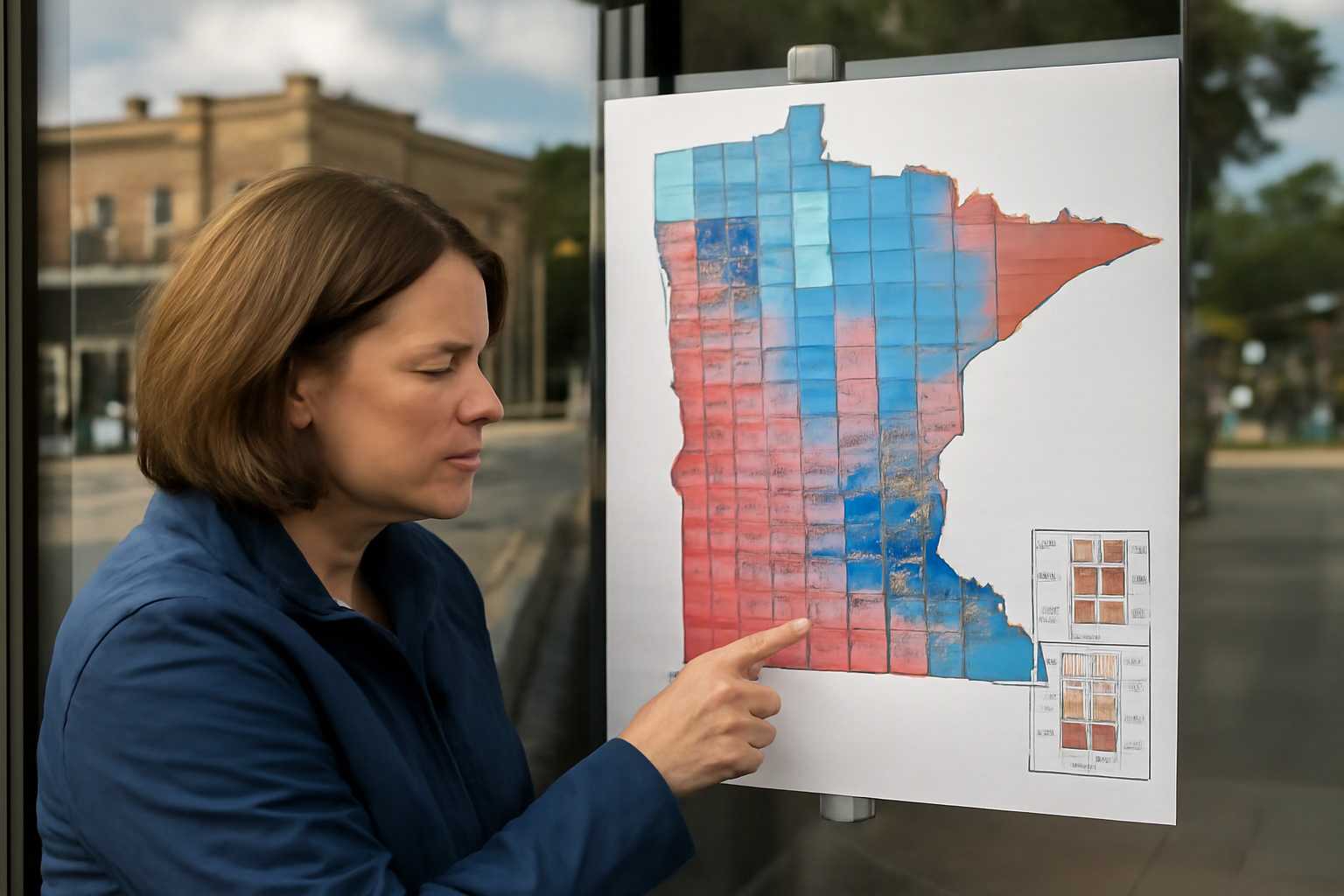
On a chilly November evening in 2026, the atmosphere in downtown Minneapolis was electric as supporters of Senator Amy Klobuchar gathered to celebrate her hard-fought victory in the gubernatorial race. Among them was Sarah Thompson, a lifelong resident of the city, who had spent the last few weeks canvassing her neighborhood, speaking to neighbors about the importance of their votes. As the results rolled in, she felt a mix of relief and pride, knowing that every effort she made contributed to this moment of triumph for her candidate and her community.
In the 2026 gubernatorial election, Amy Klobuchar secured a decisive victory, garnering 58% of the votes against her opponent, who received 42%. This win is not just a testament to Klobuchar’s popularity but also reflects the changing dynamics within Minneapolis and the surrounding areas. The election results were a culmination of extensive campaigning, grassroots mobilization, and a concerted effort to engage voters across demographics.
The voting map illustrates the precinct-by-precinct breakdown of support for Klobuchar, highlighting not only where she excelled but also areas of emerging political engagement. The data shows that Klobuchar’s strongest support came from urban precincts, where community issues such as healthcare, education, and public safety resonated deeply with voters.
As the dust settles on this election cycle, it is essential to analyze the factors that contributed to Klobuchar’s success. The election was marked by high voter turnout, with many precincts reporting upwards of 75% participation. This level of engagement is a significant indicator of the community's investment in the electoral process.
The high voter turnout in Minneapolis can be attributed to a combination of factors, including a robust voter registration campaign and an increased awareness of the issues at stake. Local organizations, such as the Minnesota Civic Engagement Network, played a crucial role in mobilizing voters, particularly in historically underrepresented communities. Their efforts included door-to-door outreach, phone banking, and hosting informational sessions on how to vote.
Moreover, the narrative surrounding the election was charged with urgency. Many residents were motivated by the pressing need for change in areas such as public safety, education reform, and affordable housing. The pandemic had exacerbated existing disparities, and voters were eager to support a candidate who they believed would address these challenges head-on. Klobuchar’s campaign effectively communicated her plans to tackle these issues, resonating with a diverse electorate.
The response from the community has been overwhelmingly positive. Local leaders, including Minneapolis Mayor Jacob Frey, expressed their excitement over Klobuchar's victory, emphasizing the need for strong leadership in the face of ongoing challenges. "Amy has always been a champion for our city, and her commitment to our values will guide us as we move forward together," Frey stated in a press conference following the election.
Residents like Sarah Thompson are optimistic about the future. "I believe Amy will prioritize the needs of our community, especially in education and public health. We need someone who understands the struggles we face daily," she shared. This sentiment echoes throughout the city, as many voters are eager to see how Klobuchar will address pressing issues, including affordable housing and economic recovery post-pandemic.
The excitement surrounding Klobuchar's victory is palpable among various community groups. Leaders from organizations such as the Minneapolis Urban League and the Latino Economic Development Center have voiced their support, highlighting the importance of Klobuchar's commitment to equity and inclusion. “This election was about more than just one candidate; it was about the future of our city and ensuring that every voice is heard,” said Maria Gonzalez, a local activist. “We are hopeful that Amy will prioritize policies that uplift marginalized communities.”
Additionally, local businesses are optimistic about the prospects of a Klobuchar administration. Small business owner David Kim, who runs a popular restaurant in the North Loop, expressed his belief that Klobuchar’s focus on economic recovery will help revive the local economy. “We need leadership that understands the challenges small businesses face, especially after the pandemic. I’m excited to see what she will do to support us,” Kim stated.
One of the most notable aspects of Klobuchar's campaign was her focus on engaging voters at every level. From hosting town hall meetings to utilizing social media platforms effectively, her team made significant efforts to reach out to constituents. This grassroots approach not only mobilized existing supporters but also brought new voters into the fold, particularly among younger demographics.
As a result, precincts that historically leaned conservative saw notable shifts in voting patterns. The data indicates that Klobuchar’s message resonated with voters who may have felt overlooked in previous elections. This shift could signal a broader trend of political realignment within the region, as more residents prioritize candidates who demonstrate a genuine commitment to their communities.
Looking ahead, Klobuchar's administration will face critical challenges that require immediate attention. The state is grappling with issues such as rising crime rates, economic disparities, and the ongoing effects of climate change. Klobuchar has already outlined her priorities, which include investing in public safety initiatives and expanding access to mental health resources.
Moreover, her victory sets the stage for a renewed focus on bipartisan collaboration. Klobuchar has a long history of working across the aisle, and many hope that her leadership will foster a spirit of cooperation among lawmakers. This approach could be vital in addressing the complex issues facing Minnesota today.
As the community prepares for this new chapter, residents are encouraged to stay engaged and informed. The upcoming months will be pivotal in shaping the direction of the state, and Klobuchar’s success will depend on her ability to listen to the concerns of her constituents and act decisively.
Residents are urged to participate in upcoming town hall meetings and community forums that will provide a platform for discussing pressing issues and holding the new administration accountable. Organizations like the League of Women Voters and local advocacy groups are already planning events to ensure that citizen voices are amplified in the political process.
In conclusion, the 2026 gubernatorial election represents more than just a victory for Amy Klobuchar; it is a reflection of the community’s desire for positive change and effective leadership. As Minneapolis looks to the future, the commitment of its residents to participate in the democratic process will be crucial in ensuring that their voices are heard and that the vision for a better Minnesota becomes a reality.
By Katherine Langford

By Katherine Langford

By Katherine Langford

By Katherine Langford