
Community
Mom charged with murder after son, 10, shoots teen neighbor
By Katherine Langford
Advertisement · Why this ad?
Katherine oversees editorial operations across all six brands. Before joining The Meridan Group, she spent 14 years at the Minneapolis Star Tribune, where she led the metro desk through its digital transformation. She holds a Master's in Journalism from Northwestern's Medill School.
More from Katherine →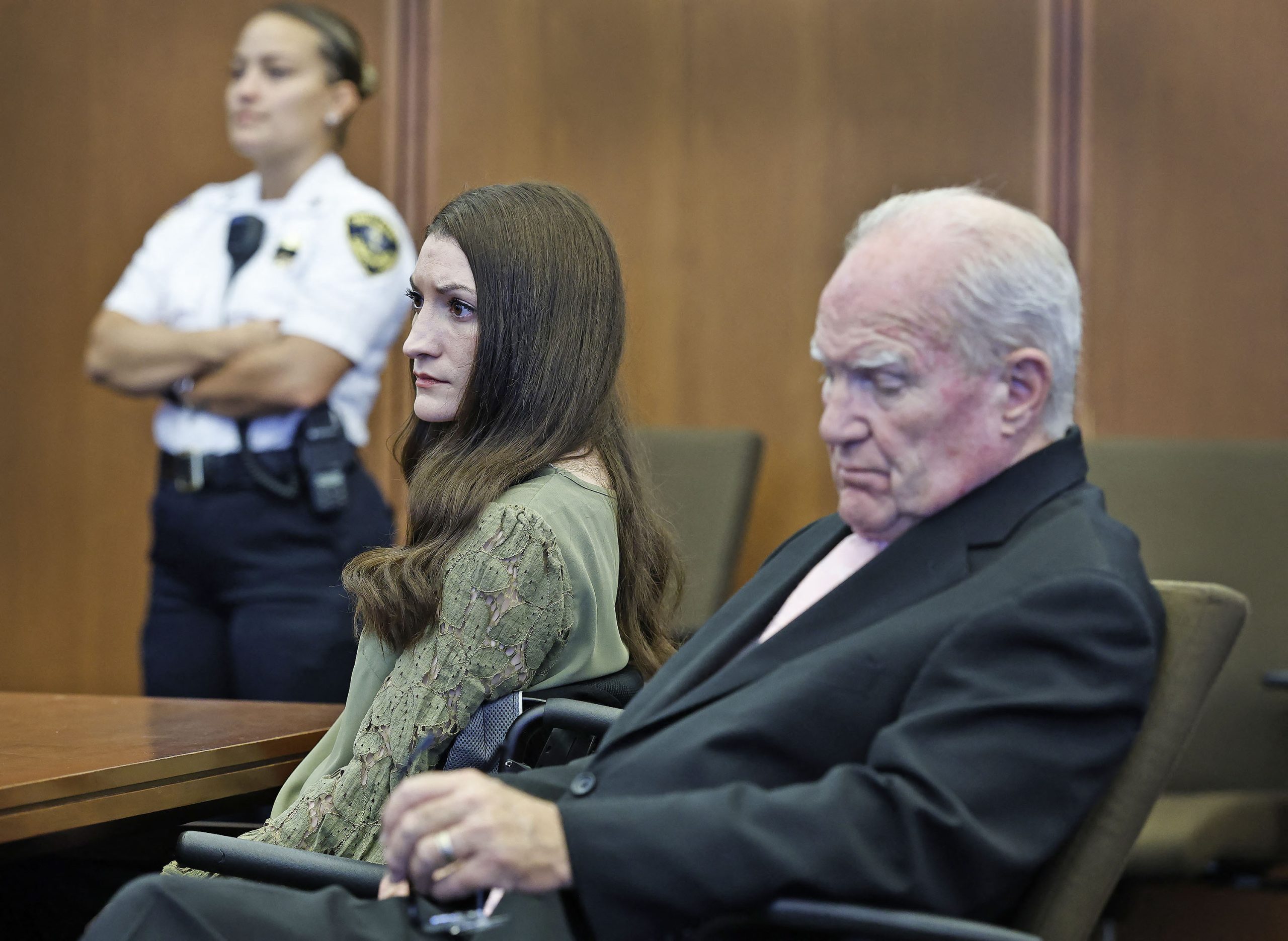
On a chilly November morning in a Plymouth County courtroom, Lindsay Clancy sat silently as her fate hung in the balance. The once vibrant mother of three now faces a future clouded by tragedy and legal uncertainty. As the judge presided over a motion hearing, the air was thick with tension, reflecting the weight of the decisions that could alter the lives of many. Clancy’s case, marked by the tragic deaths of her children, has captured the attention of a community grappling with the implications of mental health and accountability.
Lindsay Clancy returned to court on November 6, 2023, for a hearing that could determine the trajectory of her criminal case following a deadlocked jury in September. Clancy faces charges in the deaths of her three children—Cora, 5, Dawson, 3, and Callan, just 8 months old—who tragically lost their lives in January 2023 under harrowing circumstances. Clancy's attorney, Kevin Reddington, has argued for the dismissal of the charges based on double jeopardy, claiming that the mistrial should preclude a retrial.
The prosecution, however, led by Plymouth County Assistant District Attorney Jennifer Sprague, indicated their intention to seek a retrial, stating, "This will be a retrial, as to what that looks like will depend." With no date set for the retrial, the uncertainty looms large over the proceedings.
The case has reverberated throughout the Duxbury community, igniting discussions about mental health, parental responsibility, and the justice system. Many residents are left grappling with the tragic loss of three young lives and the implications of Clancy's mental health struggles. Local faith leaders, such as Pastor John Smith of Duxbury Community Church, have expressed deep concern for the family and the community. "This is a heartbreaking situation that has touched us all. We need to come together to support those affected and address the mental health issues that are often stigmatized," he said.
In the wake of the tragedy, community members have also organized vigils to honor the memories of Cora, Dawson, and Callan. These gatherings have served as a reminder of the importance of mental health awareness and have provided a space for grieving families to come together. Local mental health organizations have stepped up, offering workshops and seminars aimed at destigmatizing mental illness and equipping parents with the tools to seek help.
The November hearing was marked by contentious exchanges between the defense and the prosecution. Reddington's request for an inquiry into the lone holdout juror was a focal point, with the prosecution arguing that the juror's decision not to agree with the majority should not invalidate the trial. Tensions escalated when Reddington identified the juror by name in court, prompting Judge William Sullivan to rebuke him for breaking decorum.
Heather O'Connor, the attorney representing the holdout juror, defended her client against allegations of misconduct, urging the court to deny the defense's motions. "It's essential to protect the integrity of the jury process. My client did not act out of malice but rather followed his conscience," she stated, emphasizing the importance of maintaining confidentiality in such sensitive matters.
The atmosphere in the courtroom reflected the broader community's emotional state—one filled with grief, confusion, and a desperate need for resolution. Many observers noted that the case has become a flashpoint for discussions about how the legal system handles mental health issues, particularly in cases involving parents and children.
In January 2023, Clancy was arrested after the tragic deaths of her children in their Duxbury home. The prosecution alleges that she used exercise bands to strangle them before attempting to take her own life by jumping from a second-story window, resulting in her paralysis. The case has raised critical questions regarding mental illness and criminal responsibility, particularly as Clancy's defense has argued that she was suffering from postpartum psychosis at the time of the incident.
During her initial trial, several jurors expressed a willingness to find her not guilty by reason of insanity, indicating that mental health issues played a significant role in their deliberations. This sentiment underscores the community's struggle to reconcile the dual narratives of accountability and compassion in the face of such profound loss. In interviews, some jurors have shared their anguish over the verdict, reflecting on the difficulty of navigating their emotions in a case that has shattered lives.
As the legal proceedings unfold, both sides are set to reconvene on November 16 for a status hearing, where a possible trial assignment may occur. The outcome of this hearing will likely shape the future of Clancy's case and the community's ongoing dialogue about mental health, parenting, and justice.
In the meantime, community organizations are stepping up to provide support for families affected by similar tragedies. The Duxbury Family Resource Center is offering counseling services and support groups for those struggling with grief and mental health issues. Their director, Mary Thompson, emphasized the importance of addressing these challenges openly. "We want to create a safe space for families to heal and seek help without judgment," she said.
Moreover, local schools are beginning to implement programs focused on mental health education, aiming to foster a culture of openness and understanding among students and parents alike. This initiative is designed to equip young people with the skills to recognize mental health issues in themselves and others, promoting early intervention and support.
The case against Lindsay Clancy has highlighted the urgent need for resources and support systems for families dealing with mental health challenges. Organizations such as the National Alliance on Mental Illness (NAMI) provide valuable resources for those seeking help. Their website offers information on local support groups, educational materials, and crisis intervention resources. Additionally, the Massachusetts Department of Mental Health has programs aimed at supporting families in crisis, ensuring that no one has to navigate these challenges alone.
As the community continues to process the events surrounding Clancy's case, it is crucial to foster an environment where families can seek help without fear of stigma. The importance of strong marriages, intact families, and authentic faith cannot be overstated in times of crisis. Communities built on real commitment and support are essential for healing and recovery.
In conclusion, as Lindsay Clancy's retrial looms on the horizon, the implications of her case extend far beyond the courtroom. It serves as a poignant reminder of the complexities surrounding mental health, the fragility of life, and the need for compassionate support in our communities. The conversations sparked by this tragedy will hopefully lead to a more informed and empathetic approach to mental health issues in the future.
By Katherine Langford

By Katherine Langford

By Katherine Langford

By Marcus Chen